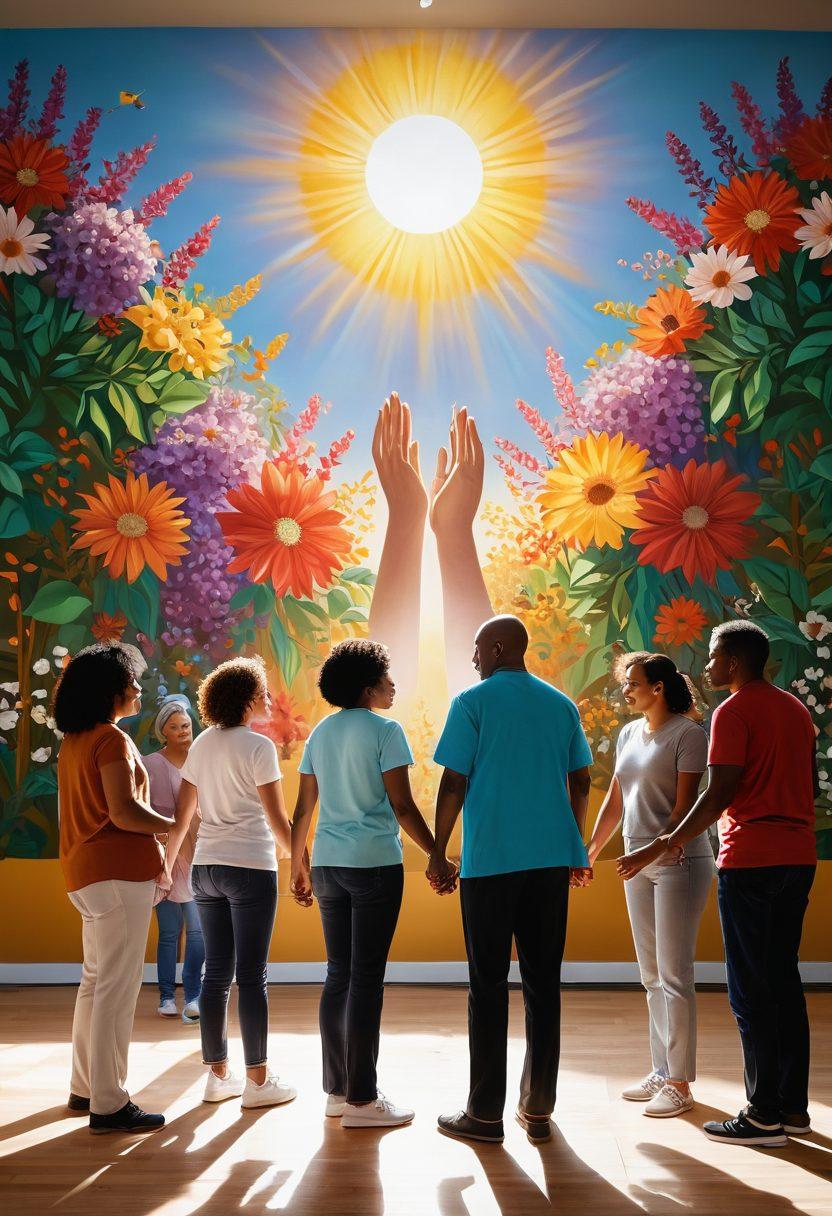
Navigating Cancer: Empowering Survivors with Wellness Tips and Community Support
After facing a cancer diagnosis, walking the path to recovery can feel overwhelming. Yet, it is in this journey that many find their strength and resilience. Survivors often speak of the life lessons learned, the friendships forged, and the renewed appreciation for what truly matters. Have you ever wondered what it takes to transform the daunting experience of malignancy into a narrative of empowerment? With essential wellness tips tailored to your unique journey, you can not only survive but thrive after cancer treatment. This health blog aims to provide support through the challenges faced, offering a roadmap to holistic health and wellness.
A critical aspect of moving forward after treatment is addressing your overall nutrition. Proper diet lays the foundation for a healthy lifestyle, which in turn helps in your recovery from neoplasms or tumors. Ensuring adequate intake of vitamins and minerals can fortify your body against future ailments. Picture this: nourishing your body becomes a ritual, a consistent act of love toward yourself. And who said healthy food can't be delicious? Engage in cooking classes or join local support groups where survivors share nutritious recipes and tips for meal prep. By making healthy choices, you harness the power of nutrition to improve your quality of life.
While focusing on physical wellness is vital, don’t underestimate the importance of mental and emotional support. Cancer can bring a wave of emotions from fear to uncertainty. Mindfulness exercises, such as meditation or deep-breathing techniques, can help ground you. Remember the inspirational words of a fellow survivor, "Finding peace isn’t just about being free of disease; it’s about conquering the anxiety that that disease brings." Connecting with community support groups can provide a safe haven for sharing thoughts and coping strategies. Trust that you’re not alone on this journey—it’s okay to reach out and lean on others who truly understand your struggles.
Rehabilitation post-cancer treatment is just as important as the medical advancements that brought you here. Engaging with fitness programs designed specifically for cancer survivors can enhance your physical strength and rejuvenate your spirit. Whether it's gentle yoga sessions, walking groups, or more intensive workouts, find what resonates with you. These activities not only promote fitness but also foster connections with others walking a similar path. Could you imagine the stories you’d share while taking those first few steps towards reclaiming your body? Moving with intention can be empowering and transformational.
Lastly, never lose sight of your role in the ongoing battle against cancer. Your story matters. Each survivor story contributes to cancer awareness and can inspire others who are navigating their path. Participate in clinical trials or share your experiences through health blogs to further the strides in cancer research. What if your newfound strength could empower someone else to seek compassion when faced with their diagnosis? Always remember, your journey does not end with survival—it evolves into advocacy and hope.
Building Connections: The Role of Community Support in Cancer Recovery
When faced with a cancer diagnosis, whether it’s a neoplasm, a malignant tumor, or the broader category of oncology, nothing can replace the power of community support. It’s a journey that can feel overwhelmingly isolating, but it doesn’t have to be. Imagine the strength you can draw from sharing your experiences with others who truly understand. In this post, we'll explore how building connections with others can be an essential stepping-stone to recovery, emphasizing the vital role of community support in cancer treatment and survivorship.
Have you ever noticed how conversations can uplift your spirits? Connecting with others who share your battles gives life a new perspective. By participating in support groups or engaging in health blogs that focus on cancer awareness and survivor stories, you can discover valuable insights and coping strategies that apply to your journey. As you navigate through the challenging waters of oncology treatments and rehabilitation, consider everyone around you as a source of encouragement rather than isolation. Community support is not just a luxury; it’s an essential element of the healing process.
The foundation of any successful recovery often lies in emotional support, and this is especially true when dealing with cancer. Research consistently demonstrates that those who engage in community support find themselves more capable of managing the emotional turmoil that follows a diagnosis or a treatment plan. Consider joining alternative therapies or wellness tips shared among survivors that tap into mindfulness, nutrition, and fitness. These strategies not only enhance your quality of life but provide a network of people who will rally around you through the ups and downs of your journey.
Another vital aspect of community support is the sharing of information about medical advancements and clinical trials. The realm of cancer research is ever-evolving, and staying connected with local oncology groups can empower you with knowledge about the latest rehabilitation techniques or promising treatment options that match your prognosis. Building relationships with fellow survivors can lead to friendships that transcend the boundaries of your illness and provide a sense of belonging, something that is often lost when facing a malignancy.
Ultimately, the road to recovery is a collective journey. It thrives on shared experiences, understanding, and camaraderie. Remember, whether it's engaging in support groups, exchanging wellness tips, or simply grasping the hand of someone who gets it, you are never truly alone. Your community can be that lifeline, offering both emotional support and practical advice as you embrace a healthy lifestyle and prepare to overcome the challenges of life after cancer. As you carve your path forward, let the connections you build be a testament to your resilience and a beacon of hope for those still fighting their battles.
From Diagnosis to Rehabilitation: Navigating Your Path with Holistic Health Strategies
Facing a cancer diagnosis is undoubtedly one of life's most profound challenges. Imagine receiving the news that you have a malignancy; it feels as if the ground has disappeared beneath your feet. However, the journey from diagnosis to rehabilitation doesn't have to be navigated alone. By embracing wellness tips and tapping into community support, survivors can turn this tumultuous experience into a path of empowerment and healing. How do we take the first step on this journey?
The critical moment of diagnosis serves as the starting point on a long journey filled with choices and decisions. Within the realm of oncology, understanding your specific neoplasm and its implications is essential. What questions must be asked to facilitate effective cancer treatment? Knowledge isn't just power—it's a form of emotional support. Joining support groups or finding cancer research forums can provide a wealth of information and shared experiences that illuminate your path. After all, as a survivor once articulated, 'Knowledge turned my fear into a fight.'
As we move from the initial shock of diagnosis to active rehabilitation, it’s crucial to embrace a holistic health approach. Ahead lies a variety of alternative therapies and wellness tips that can complement traditional medical advancements. Engaging in nutritional planning is one key area. The right nutrition can work wonders not only in complementing your cancer treatment but also in bolstering your immune system. Striving for a balanced diet rich in antioxidants, vitamins, and minerals can be a powerful tool in restoring your body's harmony. Have you considered how food can be your first line of defense?
Throughout this uphill battle against tumors, emotional support becomes the unsung hero. The road can be incredibly lonely, but the presence of others often makes the journey more bearable. Fitness becomes another vital component in the rehabilitation phase. Regular physical activity can enhance one’s quality of life and ease the stress associated with the unknown. How about scheduling a weekly workout with fellow survivors or friends? Shared fitness goals can create bonds that not only uplift you emotionally but pave the way for a healthier lifestyle through mindfulness.
The landscape of cancer survivorship is evolving, and so are the support systems available. Community support offers not only a sense of belonging but also access to workshops that focus on coping strategies and preventative care. These gatherings can empower individuals to share their survivor stories, gaining strength from one another. As each survivor learns to navigate their prognosis through resilience and courage, they inspire others to take charge of their health journey. The question remains: are you ready to embrace the holistic approach to reclaim your life?